
Why Does Cut Fruit Turn Brown? (And How to Stop It)
Cut fruit turns brown because an enzyme called polyphenol oxidase reacts with oxygen the moment the flesh is exposed. It's cosmetic, not spoilage — and a splash of citrus or a sealed container slows it right down.
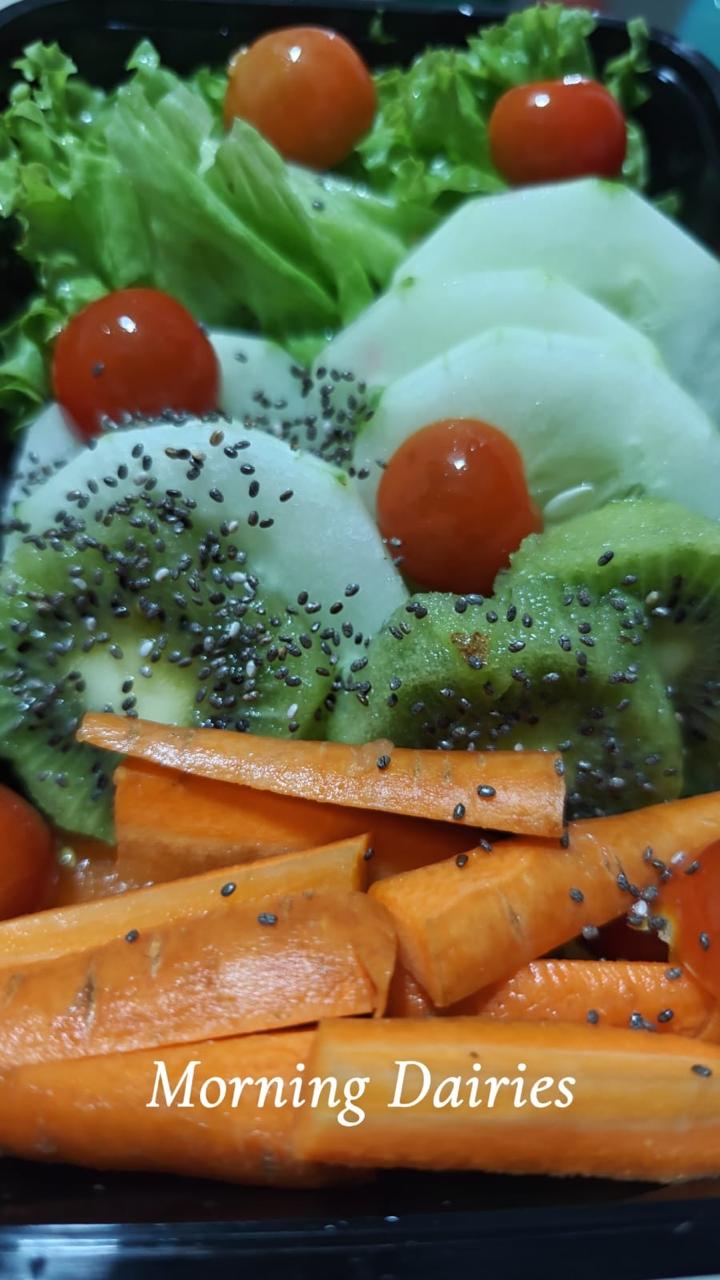
Why does cut fruit turn brown? An enzyme inside the fruit's cells, called polyphenol oxidase, reacts with oxygen the instant the flesh is exposed by a cut or a bruise, and that reaction produces the brown pigment you see. It happens fastest on apples, bananas, pears and potatoes, slower on citrus, berries and melon, and it is purely cosmetic — the fruit underneath is just as safe to eat as it was before it browned.
The good news is that the same handful of kitchen tricks works on almost every fruit that browns: keep air off the cut surface, lower the pH with a bit of acid, or chill it so the reaction slows down. Here's why it happens and which fix actually makes sense for your fruit bowl.
Why Does Cut Fruit Turn Brown in the First Place?
Fruit cells carry an enzyme called polyphenol oxidase, often shortened to PPO, along with natural compounds called phenols. As long as the cell is intact, the two stay separated. The moment you cut or bruise the fruit, the cell walls break open, PPO meets both the phenols and the oxygen in the air at the same time, and the resulting chemical reaction produces melanin — the same brown pigment family responsible for a suntan. This is called enzymatic browning, and it's the identical process behind a browning avocado, a browning potato and a rusting apple slice. It is not bacteria, mould or decay; it's a chemical reaction that starts within minutes and keeps developing color for a while after the first cut.
Is Browned Fruit Still Safe to Eat?
Yes. Enzymatic browning only changes color and, with enough time, slightly softens texture — it does not mean the fruit has spoiled. Spoilage shows up as a sour or off smell, visible mould, sliminess or a sticky surface, none of which come from browning alone. A browned apple slice or banana is still perfectly fine to eat; it's simply lost some of its visual appeal. That said, if a cut fruit has been sitting out well past the usual safe window, judge it on smell and texture, not color — browning and spoilage are two separate things that can happen around the same time but aren't caused by each other.
Why Do Apples and Bananas Turn Brown So Much Faster Than Other Fruit?
Apples, bananas, pears, potatoes and avocados are especially high in both PPO and the phenolic compounds it reacts with, so they brown within minutes of cutting. Citrus fruits, berries and melon brown far more slowly or barely at all, partly because they're naturally more acidic, and a low pH makes it harder for PPO to work efficiently. That's the real reason a fruit bowl with orange, pineapple or strawberry still looks fresh long after the apple and banana pieces in the same bowl have started to dull — it isn't about how the fruit was cut, it's which fruit it is.
How Do You Stop Cut Fruit From Turning Brown?
Three approaches work, and they can be combined. First, cut the pH with acid: toss apple, banana or pear slices with a little lemon, orange or pineapple juice, since the acidity slows PPO down significantly — this is the same principle behind squeezing lemon over guacamole. Second, keep oxygen off the cut surface by pressing plastic wrap directly onto the fruit or packing it tightly in an airtight container, since PPO needs oxygen to react at all. Third, chill it — refrigeration slows every enzyme reaction, browning included, so cold cut fruit browns noticeably slower than fruit left at room temperature. A quick dip in cold water helps too, but only for the short time the fruit is actually submerged; once it's out and exposed to air again, the clock restarts.
Does Honey or Salt Water Stop Fruit From Browning?
Both have some supporting evidence, though citrus remains the most reliable and widely tested option. A light honey-water dip (roughly two tablespoons of honey dissolved in a cup of water) coats the cut surface and can noticeably delay browning on apples and pears, though exact timings vary by fruit and aren't as consistently documented as the citrus method. A very mild salt-water rinse — about half a teaspoon of salt per cup of water, rinsed off afterward — also slows browning on some fruits, but too much salt makes the fruit taste salty, so it needs a light hand. If you want a flavor-neutral option, citrus or a plain airtight container without any added ingredient are the safest defaults.
How Do You Keep a Whole Fruit Bowl From Browning When You Prep It Ahead?
Build it in layers rather than mixing everything at once. Toss the fast-browning fruit — apple, banana, pear — with a spoon of citrus juice as soon as you cut it, before it even meets the rest of the bowl. Add the naturally acidic, slow-browning fruit like orange, pineapple, strawberry and melon on top or around it; their own acidity helps protect whatever they touch, which is part of why citrus segments are such a common garnish on a fruit platter. Cover the finished bowl tightly rather than leaving it open to the air, and keep it refrigerated until serving. If you're prepping a day ahead, it's worth cutting the apple, banana and pear portion closer to serving time and keeping the rest ready in advance, since those are the pieces that visibly change the fastest.
All of this buys time between cutting and eating, but the simplest fix is shrinking that gap in the first place. Elixr's fresh fruit bowls are cut each morning and delivered chilled the same day, so the fruit in your bowl hasn't had the hours it needs to brown the way a bowl prepped a day or two ahead would. A daily subscription means you're never the one managing citrus dips or airtight containers at home. If you're building your own bowl, our guide to which fruits pair well together also points out which combinations hold up best, and our piece on why fruit salad gets watery covers the other common fruit-bowl prep problem — together they cover most of what goes wrong between cutting fruit and serving it.
Frequently Asked Questions
Why does cut fruit turn brown so quickly?
An enzyme called polyphenol oxidase reacts with oxygen the moment the fruit's cells are broken open by cutting or bruising, producing a brown pigment within minutes. Apples, bananas, pears and avocados are especially high in this enzyme, so they brown faster than fruits like orange, melon or strawberry.
Is it OK to eat fruit that has turned brown?
Yes, browning on its own is purely cosmetic and doesn't mean the fruit has spoiled. Spoilage shows up separately as an off smell, mould or a slimy texture — judge cut fruit on those signs rather than color alone.
Does lemon juice really stop fruit from browning?
Yes. Lemon, orange and pineapple juice all lower the pH on the fruit's surface, which slows down the enzyme responsible for browning. A light toss or brush of citrus juice on apple, banana or pear noticeably delays the color change.
Why do some fruits never seem to turn brown?
Fruits like citrus, berries and melon are naturally more acidic and carry less of the enzyme and compounds that cause browning, so the reaction barely happens or happens very slowly. Apples, bananas, pears and potatoes have much more of both, which is why they brown so visibly by comparison.
Does putting cut fruit in the fridge stop it from browning?
Refrigeration slows the browning reaction significantly because it's an enzyme process and cold temperatures slow enzymes down, but it doesn't stop it completely. Combining cold storage with an airtight container or a citrus dip gives the best result.
Start Your Wellness Journey Today
Experience the difference that proper nutrition can make. Fresh cold-pressed juices, fruit bowls, and vegetable bowls delivered daily.