
Can You Freeze Cut Fruit? What Happens to a Fruit Bowl in the Freezer
Yes, you can freeze most cut fruit, but it softens as it thaws, so freezing suits smoothies and juice more than a fresh fruit bowl. Here's what freezes well, what doesn't, and how to do it properly.
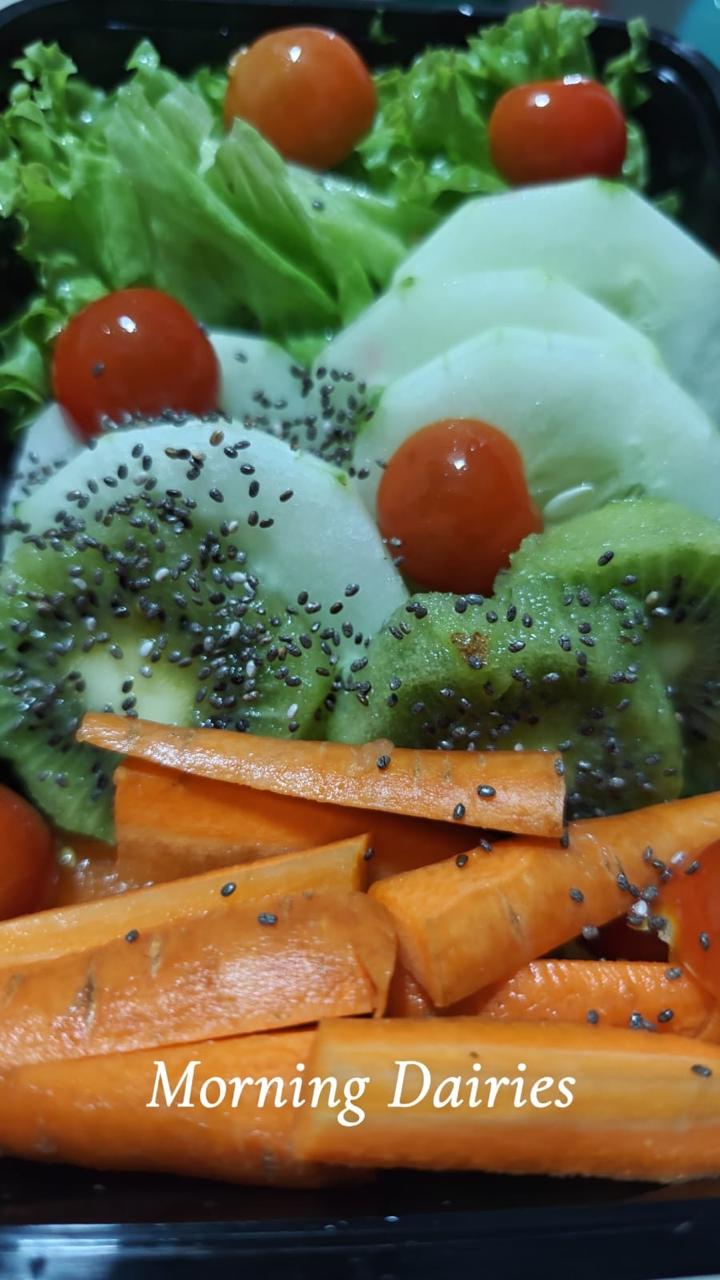
Yes, you can freeze cut fruit — almost all fruit freezes safely. The catch is texture: freezing bursts the water inside each cell, so thawed fruit turns soft and a little watery instead of crisp. That makes frozen fruit a poor stand-in for a fresh-cut fruit bowl, but a genuinely good ingredient for a smoothie, a cold-pressed juice, or a fruit chaat you're going to blend or squeeze anyway.
If you've ever had an Elixr fruit bowl land on a day you're travelling, or ended up with more cut fruit than you can eat before it turns, this is the practical answer: what freezes well, what doesn't, and how to do it so you don't end up with a solid, clumped block.
Can You Freeze a Fruit Bowl or Fruit Salad?
You can, but a mixed fruit bowl freezes less predictably than single fruits frozen separately. Every fruit in the bowl has a different water content, so mango and papaya soften evenly while watermelon and citrus segments turn mushy and release a lot of liquid on thawing. The better approach is to sort the bowl by fruit before freezing rather than freezing it as one mixed batch — that way you can pull out exactly what a smoothie needs (banana, mango) without the water-heavy pieces (melon, orange) diluting the rest.
Which Fruits Freeze Well — and Which Don't
Freeze well: banana (peeled, sliced), mango, papaya, pineapple, apple (cooked or in smoothie-sized chunks), grapes (whole, as a frozen snack), and berries when you get them. These hold their flavour and blend beautifully even after months in the freezer.
Freeze poorly for eating fresh: watermelon, muskmelon and citrus segments. Their cell walls are mostly water, so they turn limp and weep liquid as they thaw — fine if you're going to juice or blend them, disappointing if you wanted them crunchy in a bowl.
How to Freeze Cut Fruit So It Doesn't Clump Into One Block
Spread the cut pieces in a single layer on a plate or tray — don't tip them straight into a bag. Freeze that tray for an hour or two until each piece is solid, then transfer the frozen pieces into an airtight container or freezer bag. This flash-freeze step is what stops banana slices or mango chunks from freezing into one solid clump that's impossible to portion out later. Pat the fruit dry with a cloth before freezing, too — extra surface moisture is what causes ice crystals and freezer burn.
Does Freezing Ruin the Texture of Fruit?
It changes the texture, and for most fruit that change isn't reversible. Freezing forms ice crystals inside the fruit's cells, and when those crystals melt, the cell walls have already ruptured — so the fruit comes out softer and often a little watery compared to fresh. This doesn't make the fruit unsafe or nutritionally worse; it just means thawed fruit isn't a good substitute in a bowl meant to be eaten fresh and crisp. It's an excellent substitute anywhere the fruit gets blended, juiced, or cooked, since texture stops mattering the moment it goes into a blender.
How Long Does Frozen Fruit Last?
Most cut fruit keeps well in the freezer for around 8-12 months in an airtight container, though it's best used within the first few months for flavour. In an Indian kitchen, how long it actually lasts also depends on the freezer itself — a frost-free freezer with stable temperature holds fruit longer without freezer burn than an older direct-cool freezer that goes through more temperature swings when the door opens. If you notice frost building up inside the bag, that's moisture escaping the fruit, not a safety problem, but it's a sign to use that batch soon.
What to Do With Frozen Fruit From Your Elixr Bowl
Frozen mango or banana blends straight into a smoothie without needing extra ice. Frozen papaya or pineapple works the same way in a homemade fruit chaat once thawed slightly, and if you're already drinking one of our cold-pressed juices, tossing a few frozen fruit chunks in with it is an easy way to make a glass colder and thicker without watering it down with ice. If timing your fruit and juice for the best effect matters to you, our guide on the best time to drink juice covers when your body gets the most out of it. And if you'd rather not think about leftovers at all, a daily Elixr subscription means a fresh bowl arrives cut to order, so freezing is a backup plan rather than a routine.
Frequently Asked Questions
Can I freeze my fruit bowl if I'm travelling for a few days?
Yes — separate the fruit by type first, flash-freeze on a tray, then bag it. It won't taste as fresh as the day it was cut, but it's fine for a smoothie or juice once you're back rather than throwing it out.
Does freezing destroy the vitamins in fruit?
Freezing itself doesn't meaningfully reduce vitamin content — most nutrient loss in fruit comes from time and exposure to air before freezing, not from the cold itself. A fruit frozen soon after cutting retains its nutrition well.
Can you freeze fruit with the peel still on?
Yes for fruits like grapes and berries, but for anything you'll blend or eat by hand later — banana, mango, papaya — it's easier to peel and cut before freezing, since frozen skin is much harder to remove afterward.
Is frozen fruit as healthy as fresh fruit?
Nutritionally, yes, it's a reasonable option — the main difference is texture, not nutrition. Frozen fruit is a genuinely good way to avoid wasting fruit that would otherwise spoil before you can finish it.
Can you refreeze fruit once it has thawed?
It's best avoided. Once thawed, fruit loses more texture and can spoil faster if refrozen and thawed again — use thawed fruit the same day rather than putting it back in the freezer.
Start Your Wellness Journey Today
Experience the difference that proper nutrition can make. Fresh cold-pressed juices, fruit bowls, and vegetable bowls delivered daily.