
Amla Juice Benefits: Why This Sour Indian Berry Deserves a Spot in Your Morning Routine
Amla juice benefits go far beyond immunity. Here is a grounded, Hyderabad-friendly guide to what amla actually supports, how to drink it, and who should be careful.
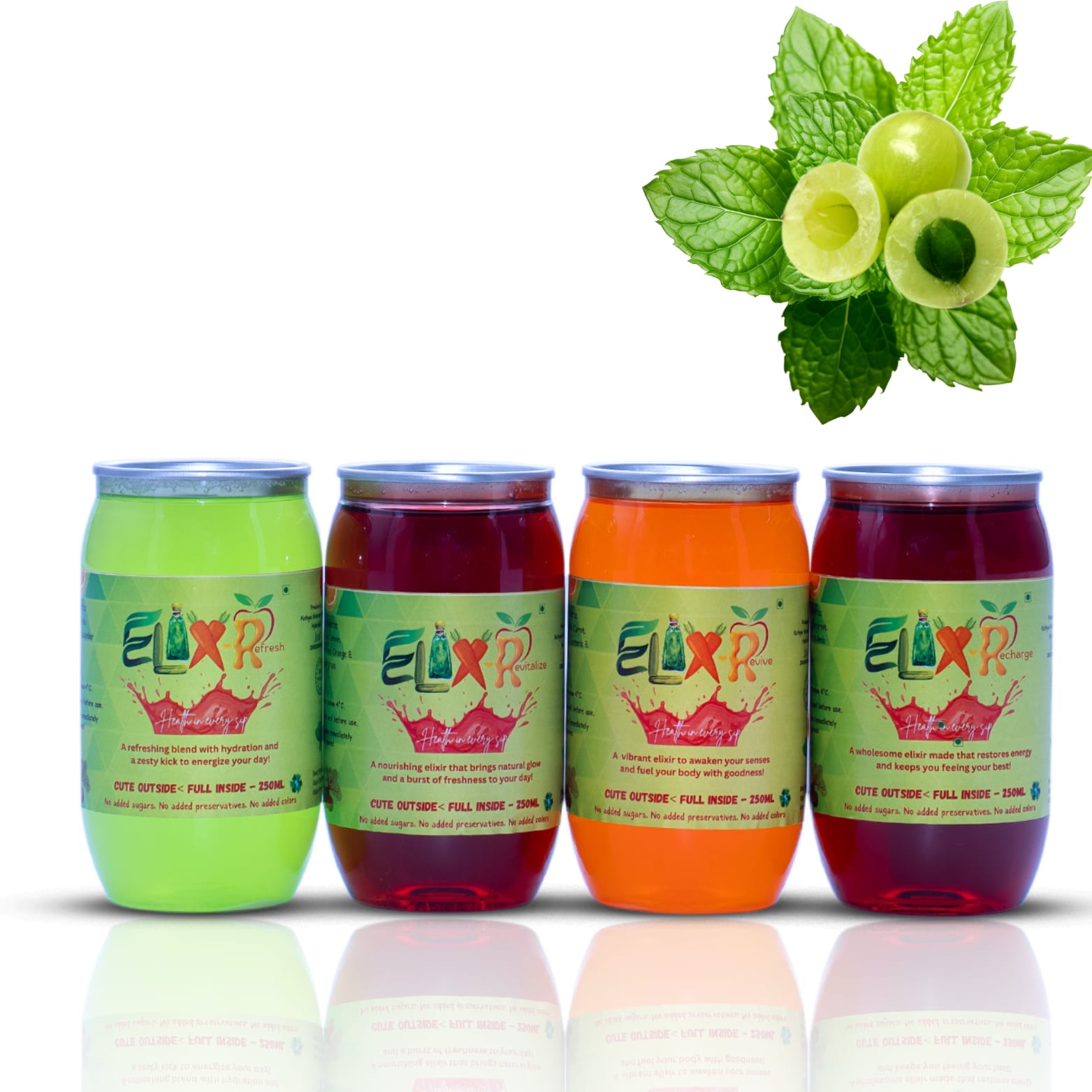
Amla juice benefits have been part of Indian kitchens and Ayurvedic routines for generations, long before anyone called it a superfood. The amla (Indian gooseberry) is small, sour and easy to overlook, but gram for gram it is one of the richest natural sources of vitamin C available in India. During Hyderabad's humid monsoon months, when coughs, colds and low energy do the rounds, a small daily dose of amla juice is one of the simplest ways to support your body from the inside out. This guide keeps the claims honest: what amla juice may genuinely help with, how to drink it, and where the internet tends to oversell it.
What Makes Amla Juice So Nutrient-Dense
Amla is prized because it packs a lot into a tiny berry. It is rich in vitamin C and delivers significantly more of it than an orange does gram for gram. Uniquely, the vitamin C in amla is bound with tannins that make it more heat-stable than most fruits, which is part of why it has survived so long in traditional preparations. Beyond vitamin C, amla contains plant antioxidants (polyphenols and flavonoids), a little fibre, and small amounts of minerals. None of this makes it a cure for anything, but it does make amla a genuinely useful daily tonic rather than just folklore.
Amla Juice Benefits You Can Reasonably Expect
Supports immunity through vitamin C
Vitamin C plays a well-established role in normal immune function, and amla is an easy, natural way to top up your daily intake. It will not stop you from ever falling ill, but keeping your vitamin C reserves healthy through the monsoon is a sensible, low-effort habit. If immunity is your main goal, pair amla with other vitamin-C and antioxidant-rich juices in our detox and cleanse range.
May help digestion and regularity
Amla has a long history in Ayurveda as a digestive support. Its fibre and natural compounds are traditionally used to encourage regular bowel movements and a settled gut, especially when taken first thing in the morning with warm water. Many people find a small amla routine gentler on the stomach than strong laxative teas.
Rich in antioxidants that support skin
The vitamin C and polyphenols in amla contribute to the body's antioxidant defences, which help counter everyday oxidative stress from pollution, sun and city life. Vitamin C is also involved in the body's natural collagen formation, so amla is a common ingredient in routines aimed at clearer, healthier-looking skin. If a glow is what you are after, see our dedicated guide to juice for glowing skin.
May support metabolism and hair health
Amla is a traditional favourite for hair, and modern interest focuses on its antioxidant content and role in scalp health. Some people also include amla juice as part of a broader weight-management routine because it is low in calories and pairs well with a lighter morning. Treat these as supportive habits, not guarantees.
How to Drink Amla Juice the Right Way
Amla is intensely sour and slightly astringent, so a little goes a long way. A practical starting point is to dilute a small measure (around 15 to 20 ml) in a glass of warm water on an empty stomach in the morning. Start small, see how your stomach responds, and build up gradually.
- Best time: First thing in the morning, before breakfast, is the most popular window because absorption is easy and it kick-starts your routine.
- Dilute it: Never gulp concentrated amla juice neat if you are new to it. Warm water softens the sourness and is easier on the gut.
- Skip the sugar: Adding spoons of sugar undoes the point. If you need to round off the tartness, a tiny bit of honey or a pinch of black salt works better.
- Be consistent: The benefits of amla come from a steady daily habit, not one heroic glass. Consistency beats quantity every time.
If mornings are chaotic, a cold-pressed daily juice subscription takes the effort out of it, arriving fresh at your door in Hyderabad so the habit actually sticks.
Who Should Be Careful With Amla Juice
Amla is well tolerated by most people, but it is not for everyone in every situation. Because it is acidic and cooling, some people with acidity or a sensitive stomach find neat amla uncomfortable, which is why dilution matters. If you have low blood sugar, are on blood-thinning medication, are pregnant, or have an existing kidney or gut condition, check with your doctor before making amla a daily fixture. As with any wellness habit, listen to your body and stop if something does not agree with you.
Amla is a supportive daily tonic, not a medicine. It works best as one steady habit inside a balanced diet, good sleep and regular movement.
Amla in an Everyday Elixr Routine
You do not need to overthink amla to benefit from it. A small diluted glass in the morning, a plate of real fruit or vegetables through the day, and enough water is a routine almost anyone in Hyderabad can keep up. To make the whole thing effortless, many of our members pair their morning tonic with a fresh fruit bowl or build a simple, repeatable plan around our daily detox range so healthy choices are already made for the day.
Frequently Asked Questions
Can I drink amla juice every day?
For most healthy adults, a small daily amount of diluted amla juice is fine and is exactly how it is traditionally taken. Start with a modest quantity, keep it diluted in warm water, and if you have any medical condition or take regular medication, check with your doctor first.
What is the best time to drink amla juice?
Early morning on an empty stomach is the most popular choice because it is easy to absorb and sets the tone for the day. If mornings do not suit you, having it before a meal is a reasonable alternative. Consistency matters more than the exact clock time.
Does amla juice help with weight loss?
Amla juice is low in calories and can support a lighter morning routine, but it is not a fat-burner on its own. It works best alongside balanced meals and activity. For a structured approach, explore our juice for weight loss guidance rather than relying on any single drink.
Is amla juice good for skin and hair?
Amla is rich in vitamin C and antioxidants, both of which support the body's natural defences and collagen formation, so it is a common part of skin and hair routines. Think of it as one helpful piece of the puzzle rather than a standalone treatment.
Amla is one of those rare traditional foods that holds up to a closer look. Kept simple, diluted and consistent, it is an easy daily habit worth building. Browse the full range on our cold-pressed juice menu and find the blend that fits your morning.
Start Your Wellness Journey Today
Experience the difference that proper nutrition can make. Fresh cold-pressed juices, fruit bowls, and vegetable bowls delivered daily.